
How Copy Trading Only One Pair Is The Best Strategy

TradingCup
JUN 03 2025
Last Updated: June 03, 2025
This article is reviewed annually to reflect the latest market regulations and trends.

TL;DR: Your 5-Point Cheat Sheet to Smarter Copy Trading
- To master the trade, one pair is all you need.
- Let go of ego, let your profits proceed.
- Sizing your trades is the ultimate key,
- Patience and focus bring consistency.
- Dodge the mistakes for a winning decree.
Disclaimer: The information in this article is for educational purposes only and does not constitute financial, investment, or trading advice. Copy trading carries substantial risks, including the potential loss of your entire invested capital. Past performance of copied traders or strategies is not a reliable indicator of future results. You may be replicating high-risk trades, overleveraged positions, or strategies incompatible with your financial goals. Always conduct independent research into a trader’s historical performance, risk metrics, and strategy before copying them. Never invest funds you cannot afford to lose. Consult a licensed financial advisor to ensure copy trading aligns with your risk tolerance, financial objectives, and regulatory requirements in your jurisdiction. This article does not endorse specific traders, platforms, or strategies, and all trading decisions remain your sole responsibility.

“The most important quality for an investor is temperament, not intellect. You need a temperament that neither derives great pleasure from being with the crowd or against the crowd.” – Warren Buffett
Is Focusing on One Pair the Holy Grail of Copy Trading?
In the electrifying world of forex and commodities trading, the allure of endless possibilities can be overwhelming. With a multitude of currency pairs and a sea of “expert” traders to copy, it’s easy to believe that casting a wide net will yield the biggest catch. But what if the secret to consistent profitability lies not in diversification, but in radical focus? What if the best strategy is to copy trade only one pair?
This guide will challenge the conventional wisdom, arguing that by narrowing your focus to a single pair, such as the popular XAUUSD, you can develop a deeper understanding of its behavior, manage risk more effectively, and cultivate the discipline necessary for long-term success. We’ll explore the psychological traps that lead to over-diversification, draw lessons from legendary investors, and provide a practical roadmap for mastering the art of single-pair copy trading.
What is Copy Trading?
Copy trading is a portfolio management strategy that allows traders to automatically replicate the trades of other, often more experienced, traders. When the selected trader opens or closes a position, the same action is mirrored in the copier’s account in proportion to the funds allocated. This approach has democratized trading, offering a gateway for novices to participate in the financial markets without needing to develop their own strategies from scratch. However, its simplicity can be deceptive, often masking the psychological and strategic complexities that determine success or failure.
The Ego Trap: Why More Isn’t Always Better

The journey of many traders begins with a simple goal: to make money. However, as initial successes build confidence, a more insidious force often takes over: ego. The thought process evolves from “I can make money with this trader” to “I can make even more money with other traders and on other pairs.” This desire to be everywhere at once is a classic psychological pitfall.
This shift is driven by a combination of greed and the fear of missing out (FOMO). The constant stream of information, leaderboards showcasing astronomical returns, and social media hype can create a sense of urgency, compelling traders to jump from one “hot” pair to the next. The problem is, each currency pair has its own unique personality, influenced by different economic data, market sessions, and geopolitical events. By spreading your focus too thin, you never truly learn the nuances of any single pair, leaving you perpetually at the mercy of the market’s whims.
The Stanley Druckenmiller Angle: A Billionaire’s Take on Concentrated Bets

While Stanley Druckenmiller, one of the most successful hedge fund managers in history, may not have spoken directly about copy trading, his investment philosophy offers profound insights that align with the single-pair strategy. Druckenmiller is a proponent of making large, concentrated bets on his highest-conviction ideas. He famously said, “The best way to make money is to be right on a few big things.”
How does this relate to copy trading a single pair?
- Deep Conviction: Druckenmiller’s approach is rooted in exhaustive research and a deep understanding of the assets he trades. By focusing on one pair, you can emulate this depth of knowledge, learning its patterns, sensitivities, and historical behavior. This allows you to build genuine conviction in the trades you’re copying, rather than blindly following a stranger.
- Asymmetric Risk/Reward: He seeks opportunities where the potential upside far outweighs the downside. When you know a single pair intimately, you’re better positioned to assess the risk-reward profile of your chosen trader’s strategy. You can more accurately judge whether their approach aligns with the pair’s typical behavior, or if they’re taking on excessive risk.
- Patience and Discipline: Druckenmiller is known for his patience, waiting for the perfect setup before committing capital. Copy trading one pair forces a similar discipline. Instead of chasing every fleeting opportunity, you learn to wait for high-probability setups within your chosen market, fostering a more professional and less reactive trading mindset.
Lessons from “The Complete Turtle Trader”: A Masterclass in Systematic Trading
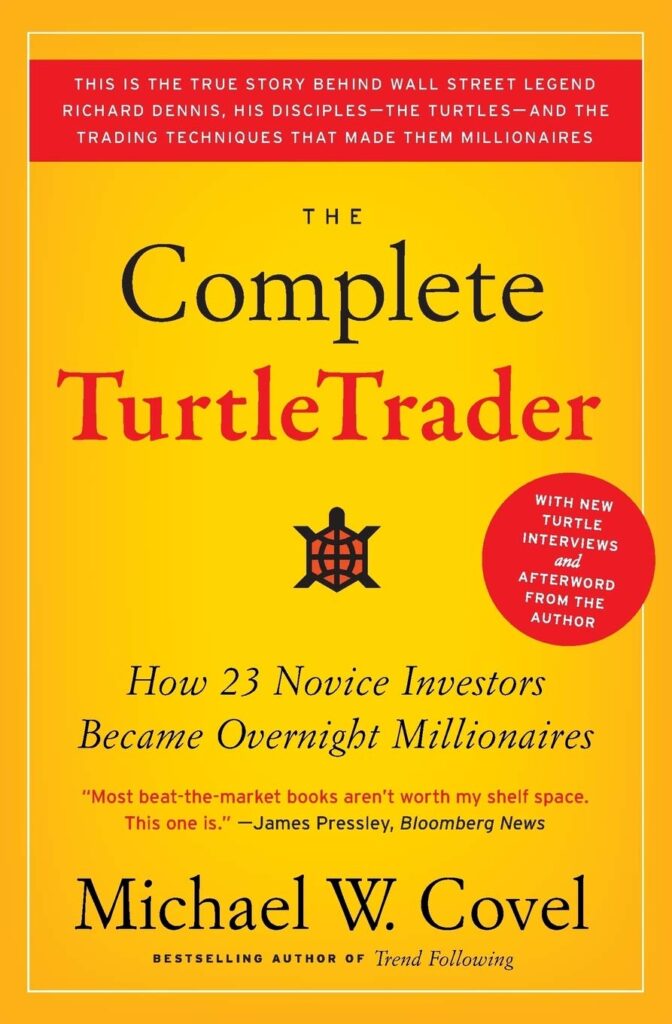
Michael Covel’s “The Complete Turtle Trader” chronicles the legendary experiment where a group of novice traders, known as the “Turtles,” were taught a systematic trading strategy and went on to earn massive profits. The book is a treasure trove of wisdom for any aspiring trader, and its core principles are highly relevant to the single-pair copy trading approach.
Here are 10 key lessons from the Turtles’ success:
- Trade with an Edge: The Turtles were taught a specific set of rules that gave them a positive expectancy over the long run. By focusing on one pair, you can more easily identify traders who have a demonstrable edge in that specific market.
- Manage Risk: The Turtles had strict risk management rules, never risking more than a small percentage of their capital on a single trade. This is paramount in copy trading, where it’s easy to over-allocate to a single trader.
- Be Consistent: The Turtles applied their rules consistently, without letting fear or greed interfere. Copying a single trader who specializes in one pair can help you maintain consistency, as you’re not constantly switching strategies.
- Know When to Get Out: A crucial part of the Turtles’ strategy was knowing when to cut losses. When copying a trader, it’s essential to have your own stop-loss parameters in place, regardless of the trader’s actions.
- Follow the Plan: The Turtles were taught to follow their trading plan without deviation. Your plan, when copy trading one pair, should include your criteria for selecting a trader, your risk management rules, and your performance review schedule.
- Don’t Predict, React: The Turtles’ system was based on reacting to price movements, not predicting them. Copy trading is inherently reactive, but by focusing on one pair, you can better understand the context of the trader’s reactions.
- Keep it Simple: The Turtles’ rules were straightforward and easy to follow. A single-pair strategy simplifies your own process, reducing the chances of analysis paralysis and emotional decision-making.
- Think in Probabilities: The Turtles understood that any single trade could be a loser, but their edge would play out over time. This long-term perspective is crucial in copy trading, where you shouldn’t abandon a good trader after a few losing trades.
- Master Your Psychology: The biggest challenge for the Turtles was mastering their own emotions. By simplifying your trading, you reduce the number of emotional triggers, making it easier to stay disciplined.
- Size Matters: The Turtles adjusted their position sizes based on market volatility. This is a critical lesson for copy traders: proper sizing is arguably the most important aspect of risk management.
Sizing: The One Strategy to Rule Them All
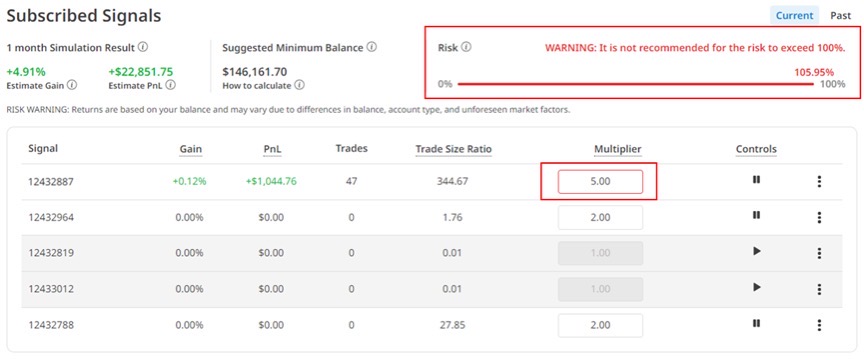
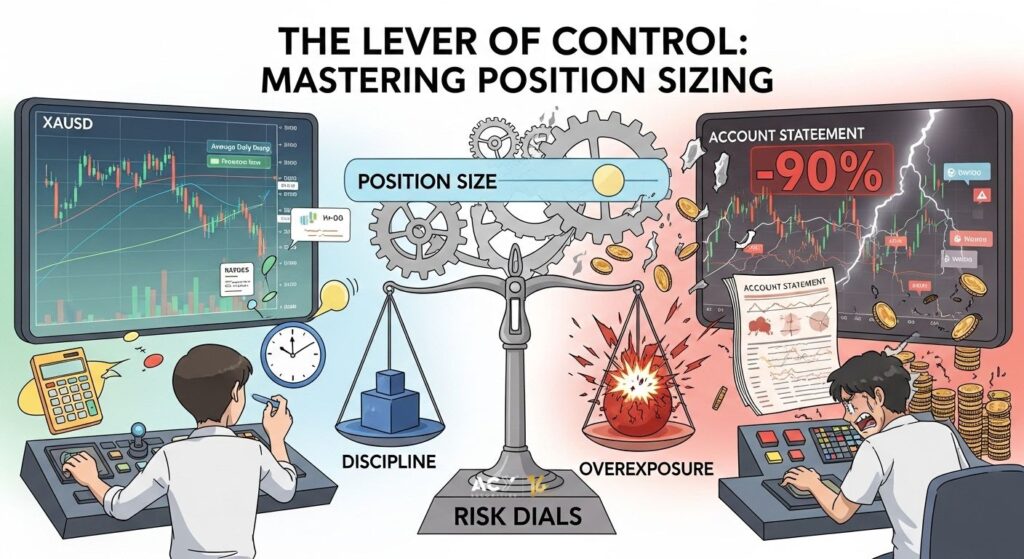
Once you’ve committed to a single pair and found a trader who demonstrates a consistent edge in that market, the single most important factor in your success will be position sizing. It’s the lever that controls your risk and ultimately determines your profitability.
It takes time, practice, patience, and consistency to get a feel for the rhythm of a single pair like XAUUSD. You’ll learn its average daily range, how it reacts to news events, and its typical retracement levels. This deep familiarity is your greatest asset in determining the appropriate trade size. You can make more informed decisions about how much capital to allocate to your chosen trader, and you can adjust your own risk settings to align with the pair’s current volatility. Remember, a winning strategy with poor risk management will always fail in the long run.
The Hidden Realities of Copy Trading
Before you dive in, it’s crucial to understand some of the often-overlooked aspects of copy trading.

Risk vs. Reward:
The potential for high returns in copy trading is always accompanied by significant risk. A trader’s past performance is not a guarantee of future results. It is essential to understand the risk-reward ratio of any strategy you are considering copying.
Understanding ROI:
A high ROI can be misleading. Was it achieved with a single risky trade, or through a consistent, disciplined approach? Look beyond the headline number and analyze the trader’s full performance history.

Hidden Fees:
Be aware of the various fees that can eat into your profits, such as spreads, commissions, and performance fees. These costs can significantly impact your net returns, so it’s important to choose a platform with a transparent fee structure.
The Reality of the Game:
Copy trading is not a get-rich-quick scheme. It requires patience, discipline, and a willingness to do your own due diligence. There will be losing streaks, and it’s how you manage them that will determine your long-term success.
A Beginner’s Guide to Smart Copy Trading
Navigating the world of copy trading can be daunting, but a structured approach can make all the difference.

Who to Copy:
Look for traders with a long track record, a consistent performance history, and a clear trading strategy. Analyze metrics like their maximum drawdown, win rate, and risk-reward ratio.
When to Copy:
Avoid jumping in after a trader has had a massive winning streak. It’s often better to start copying during a period of consolidation or a slight drawdown, as this can provide a more favorable entry point.
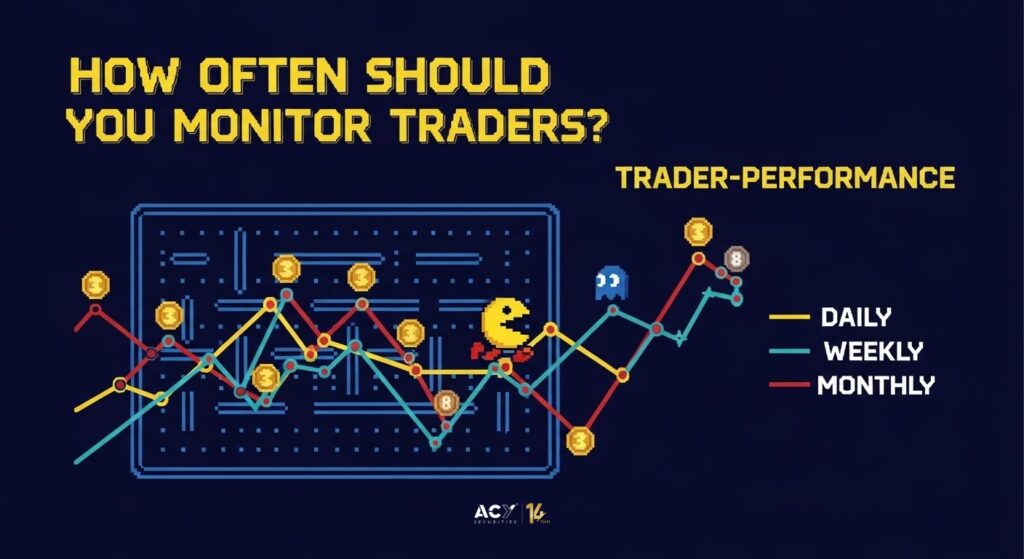
How Often to Monitor:
While you don’t need to watch the screen all day, it’s wise to review your chosen trader’s performance on a weekly basis. This will help you stay informed and ensure their strategy remains aligned with your goals.
When to Switch:
Don’t be too quick to jump ship after a few losing trades. However, if a trader deviates significantly from their stated strategy, or if their risk management becomes reckless, it’s time to reconsider your allocation.
For those just starting, copy trading GOLD (XAUUSD) can be an excellent choice. Its high liquidity and clear trends can make it a more predictable market to learn, and there are many specialized traders who focus exclusively on this popular commodity.
Your TradingCup Checklist for Copy Trading

Before you allocate a single dollar, run through this checklist:
- Platform Selection: Have I chosen a reputable, regulated platform with a transparent fee structure and robust security measures?
- Trader Due Diligence: Have I thoroughly analyzed the trader’s long-term performance, including their maximum drawdown, risk-to-reward ratio, and average trade duration?
- Strategy Alignment: Does the trader’s strategy align with my own risk tolerance and investment goals?
- Risk Management: Have I set my own stop-loss limits and determined a position size that I am comfortable with?
- Single-Pair Focus: Have I committed to focusing on a single pair to deepen my understanding and simplify my strategy?
- Emotional Readiness: Am I prepared for the psychological challenges of trading, including the potential for losses? Have I resolved to stick to my plan and avoid emotional decisions?
- Long-Term Perspective: Do I understand that copy trading is a marathon, not a sprint, and am I committed to a long-term approach?
By embracing a focused, disciplined, and well-researched approach, you can navigate the complexities of copy trading and position yourself for a more sustainable and potentially profitable journey. The path to mastery lies not in chasing every opportunity, but in knowing your chosen market inside and out.
Frequently Asked Questions (FAQ)
Q: What is the most common mistake in copy trading?
A: Blindly following popular traders without conducting a thorough analysis of their performance metrics is a prevalent error. Many traders are swayed by high short-term returns and leaderboard rankings, neglecting to assess long-term consistency and risk management practices.
Q: What are the psychological reasons for poor copy trading decisions?
A: Psychological biases such as fear of missing out (FOMO), overconfidence, social proof, and confirmation bias are major drivers of suboptimal decisions. These biases can lead to impulsive actions, poor risk management, and a tendency to follow the herd rather than sticking to a well-defined strategy.
Q: How can I avoid making these mistakes?
A: To mitigate these errors, it’s crucial to adopt a disciplined, data-driven approach. This includes evaluating traders based on objective metrics like maximum drawdown and win rate, diversifying your copied strategies, setting strict personal risk management safeguards like stop-loss limits, and maintaining a long-term perspective.
Q: What should I look for in a copy trading platform?
A: A good platform should be user-friendly, secure, and regulated. It’s also important to look for platforms that provide transparent performance metrics, clear information about fees, and tools that help you manage risk effectively.
Q: How does focusing on a single pair help in copy trading?
A: Focusing on a single pair, like XAUUSD, allows you to develop a deep understanding of its market dynamics. This specialization can lead to better decision-making, more effective risk management, and a more disciplined trading approach, as you are not distracted by the noise of multiple markets. It simplifies your strategy and allows for a more thorough due diligence of traders who specialize in that pair.
(Disclaimer: This article is for informational and educational purposes only. It should not be considered financial advice. Always conduct your own research and consult with a qualified financial advisor before making any investment decisions.)
For more detailed insights on developing daily trading routines, risk management, and effective position sizing strategies, explore additional articles on Trading Cup. Our trading experts at ACY and FinLogix are also great resources to guide your journey towards trading excellence.

Discover Our Best Trading Signals
At Tradingcup, you can browse through a selection of signals and review past performance before you decide to copy.
Become A Signal Provider
Share your expertise and become a signal provider so other traders can copy your trades.
Stay tuned to our blog for more trader spotlights and leaderboard updates.
Trading involves risks.
Visit the Tradingcup blog through the link below for more updates: https://www.tradingcup.com/learn
Related Copy Trading blogs:
- Understanding Market Liquidations: Liquidity Sweeps and Runs Explained
- 7 Essential Daily Habits of Successful Traders to Outperform Their Peers
- 10 Strategies You Can Copy off Our Best Copy Traders
- 5 Strategies Every Trader Can Master To Trade Better In A Trading Contest
- 2025 Copy Trading Scams Exposed: How to Spot Fraud
- A Swing Trading Strategy with an 83 Percent Win Rate and Low Drawdowns
- Forex Martingale Strategies Explained, The Good, The Bad and The Ugly
- Pyramiding Trading Tutorial – Pros & Cons & How to Use It