
When to Switch Traders in Copy Trading?

TradingCup
APR 22 2025
Last Updated: April 22, 2025
This article is reviewed annually to reflect the latest market regulations and trends.
TL;DR: 5 Key Takeaways for Switching Copy Traders
- Monitor strategy alignment with your risk tolerance and goals
- Track max drawdown during volatile markets (e.g., -15% losses trigger reevaluation)
- Add 1 high-risk trader monthly to diversify speculative gains without overexposure
- Preserve mental clarity by cutting ties with underperformers quickly
“The wise adapt themselves to circumstances, as water molds itself to the pitcher.” — Chinese Proverb
Disclaimer: The information in this article is for educational purposes only and does not constitute financial, investment, or trading advice. Copy trading carries substantial risks, including the potential loss of your entire invested capital. Past performance of copied traders or strategies is not a reliable indicator of future results. You may be replicating high-risk trades, overleveraged positions, or strategies incompatible with your financial goals. Always conduct independent research into a trader’s historical performance, risk metrics, and strategy before copying them. Never invest funds you cannot afford to lose. Consult a licensed financial advisor to ensure copy trading aligns with your risk tolerance, financial objectives, and regulatory requirements in your jurisdiction. This article does not endorse specific traders, platforms, or strategies, and all trading decisions remain your sole responsibility.
When to Switch Traders: Cheat Sheet
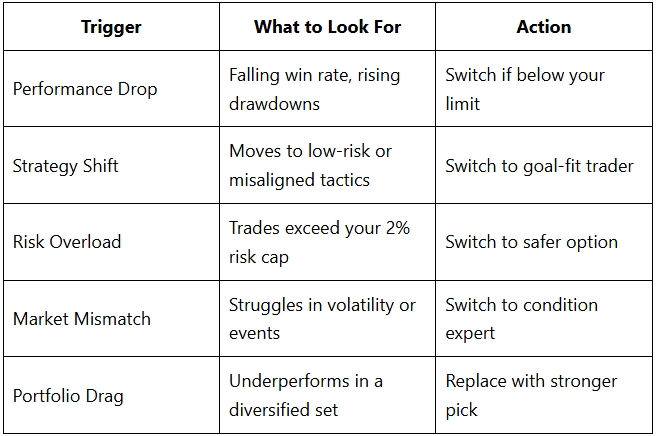
Switching traders should be based on clear criteria, such as declining performance, strategy misalignment, or changing market conditions. Regularly review metrics like win rate and max drawdown, and consider testing new traders on demo accounts before committing real capital.
Protecting Your Investments
To safeguard your money, use risk management tools like stop-losses, diversify across traders, and set limits on acceptable drawdowns. Including a high-risk trader can satisfy your appetite for gains but allocate only a small portion of capital to minimize risk.
Performance Slumps
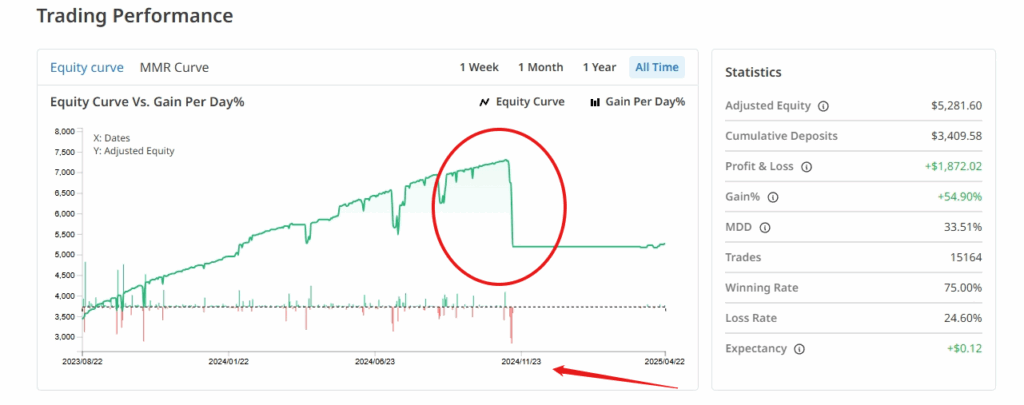
Numbers don’t lie. Keep an eye on:
- Win Rate: How often do they profit?
- Profit/Loss Ratio: Are gains outpacing losses?
- Max Drawdown: What’s the biggest dip their account has taken?
If profits stall or drawdowns deepen let’s say, beyond a threshold you’ve set (like 20%) then it’s time to look elsewhere. Test new traders on a demo account first to avoid jumping from the frying pan into the fire.
Strategy Drift
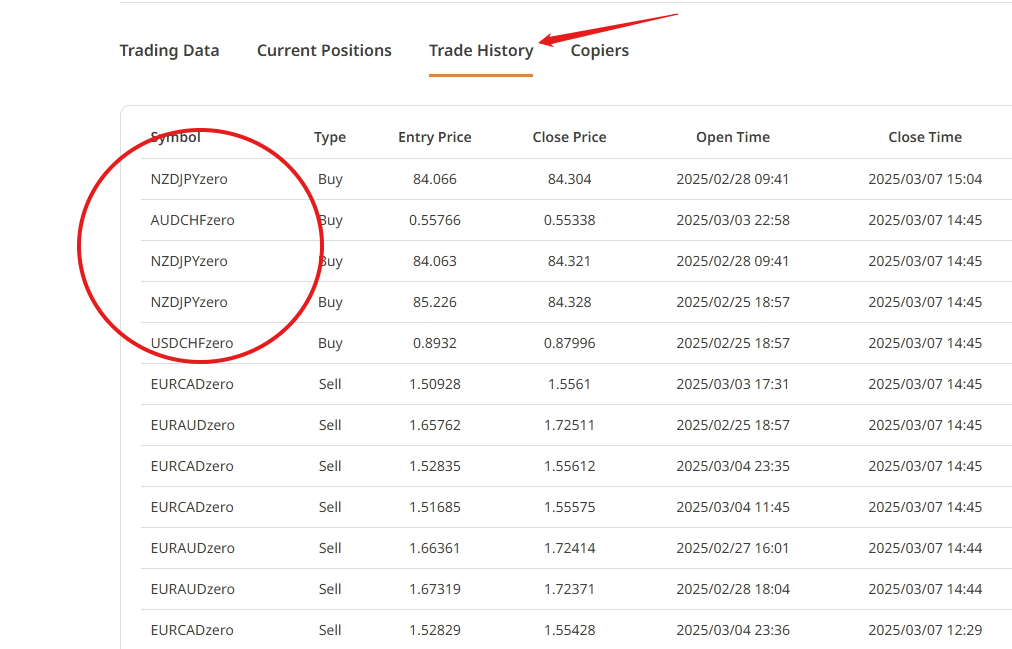
Some traders change tactics after building a following. Maybe they shift from bold, high-growth plays to safe, slow grinds. If their new style doesn’t match your goals (growth vs. stability), switch. For example, a trader chasing steady 2% monthly returns won’t cut it if you’re aiming for 10%.
Risk Mismatch
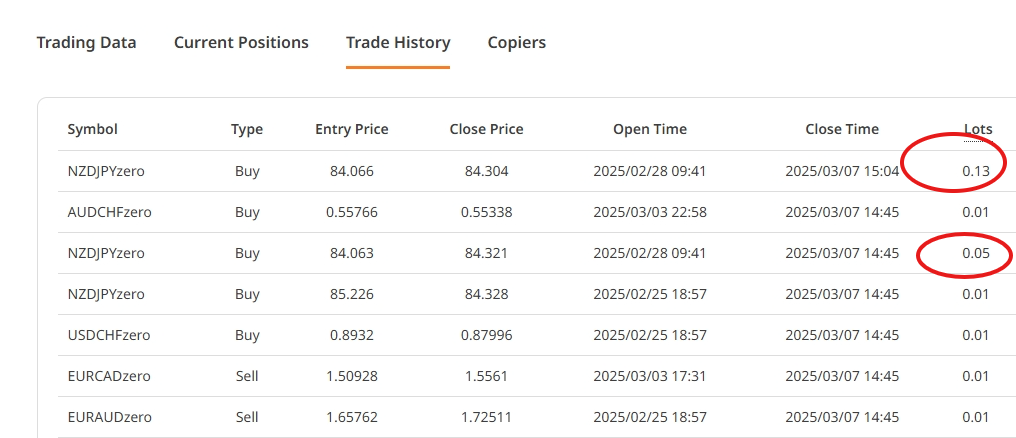
Your risk tolerance is personal. If a trader’s bets like risking 5% of their portfolio per trade exceed your comfort zone (say, 2%), they’re not your match. Switch to someone who respects your limits.
Market Shifts
Markets are moody. A trader crushing it in a bull market might flounder during a crash. Watch for:
- Volatility: Do they handle wild swings?
- Events: Are they prepped for big news like rate hikes?
If their strategy flops under new conditions, find someone who thrives there—like a forex ace during central bank announcements.
Portfolio Balance
Copying multiple traders spreads risk. If one’s dragging your returns down, swap them out to keep your portfolio humming. It’s like pruning a garden cut the dead weight to let the rest bloom.
How to Protect Your Money
Switching traders is just half the battle. Here’s how to bulletproof your investments:
- Set Stop-Losses: Cap losses automatically if trades go south.
- Diversify: Copy 3-5 traders with different styles to avoid a single point of failure.
- Limit Drawdowns: Decide your max loss (e.g., 15%) and stick to it—switch if it’s breached.
- Allocate Smartly: Got a taste for risk? Put 10% with a high-flyer, but keep most funds with steady performers.
Smarter Switching: Extra Ideas to Consider

Beyond the basics, these tips can sharpen your game:
Switch Strategies, Not Just Traders
Your goals might shift say, from aggressive growth to preserving wealth. Pick traders who fit the new plan, like swapping a sprinter for a marathoner.
Tweak Risk as You Go
Life changes. If you’re saving for a house, dial down risk and switch to cautious traders. Feeling bold? Test a high-risk trader with a small slice of capital.
Watch for Mistakes
In choppy markets, even pros slip. If a trader racks up 2-3 big losses (think spiking drawdowns), don’t wait switch. Tools like TradingCup can track this.
Time It Right
Some traders shine on specific pairs or events like USD/JPY during Fed meetings. Switch to specialists when the moment calls for it.
Don’t Force It
Sunk cost fallacy is a trap. If a trader’s bleeding cash, cut ties. It’s not failure it’s freeing up mental space for better picks.
Skip the Noise
Social media’s full of “hot tips.” Ignore the hype base switches on data, not Reddit rants.
Mix in a Wild Card
Once a month, try a high-risk trader with 10% of your funds. Big wins are possible, but keep it small and switch if they flop.
Real Talk: What Traders Say
Online chatter, especially on Reddit, offers raw insights:
- Risk Wake-Up Call: “Lost 30% copying a guy who looked solid. Check stats weekly!” (r/UKPersonalFinance).
- Strategy Bait-and-Switch: “eToro trader went ultra-safe after I joined lame returns now.” (r/Etoro).
- Spread the Love: “Copy 4 traders. Drop the weakest every quarter works for me.” (r/Trading).
The vibe? Stay proactive and don’t trust blindly.
FAQs
- How often should I switch copy traders?
Reassess every 1–3 months or after major economic events. - What is a safe drawdown percentage in copy trading?
Aim for <10%; Tradingcup flags >15% as high risk. - Can I copy multiple traders at once?
Yes, diversify across 3–5 traders with complementary strategies. - How do economic calendars affect copy trading?
Traders ignoring events like FOMC often incur avoidable losses. - What metrics identify underperforming traders?
Track Sharpe ratio, max drawdown, and strategy consistency. - Is copy trading safe during recessions?
Rotate into defensive asset traders (utilities, gold XAU/USD). - How much capital should I allocate to high-risk traders?
Limit to 5–10% of your portfolio. - Can emotional bias affect copy trading?
Yes, automate exits to avoid “hopium” after losses. - Which platforms offer the best copy trading analytics?
TradingCup, eToro, ZuluTrade, and DupliTrade provide detailed metrics. - Should I stop copy trading if I’m losing money?
Audit your traders’ strategies first then market cycles may be the culprit.
For more detailed insights on developing daily trading routines, risk management, and effective position sizing strategies, explore additional articles on Trading Cup. Our trading experts at ACY and FinLogix are also great resources to guide your journey towards trading excellence.

Discover Our Best Trading Signals
At Tradingcup, you can browse through a selection of signals and review past performance before you decide to copy.
Become A Signal Provider
Share your expertise and become a signal provider so other traders can copy your trades.
Stay tuned to our blog for more trader spotlights and leaderboard updates.
Trading involves risks.
Visit the Tradingcup blog through the link below for more updates: https://www.tradingcup.com/learnBest blogs top 8 code to use if needed.
Related Copy Trading blogs:
- Understanding Market Liquidations: Liquidity Sweeps and Runs Explained
- 7 Essential Daily Habits of Successful Traders to Outperform Their Peers
- 10 Strategies You Can Copy off Our Best Copy Traders
- 5 Strategies Every Trader Can Master To Trade Better In A Trading Contest
- 2025 Copy Trading Scams Exposed: How to Spot Fraud
- A Swing Trading Strategy with an 83 Percent Win Rate and Low Drawdowns
- Forex Martingale Strategies Explained, The Good, The Bad and The Ugly
- Pyramiding Trading Tutorial – Pros & Cons & How to Use It